Watch a seasoned injector trace a fingertip along the arc of a frown line and you’ll notice a pause at the tail of the brow. That pause is not hesitation, it is calculation. The muscle rotation under their hand, your dominant side, your eyebrow’s natural lift in conversation, the way you hold tension when you talk about work, even the crease that appears only when you squint at a screen - all of that guides where and how much Botulinum toxin goes. No template, no preset pattern, no “units per area” chart can replace that moment of judgment. This is where botox artistry beats automation.
The promise of precision, and the trap of templates
Automation in aesthetics wears a friendly face. Standard maps, fixed unit counts, and expedited appointments promise speed and predictability. Some clinics market express visits and bundle deals with smile-line fixes and brow lifts wrapped in a single package. On paper, it sounds efficient. In practice, faces don’t fit grids.
Templates assume symmetry. Real faces rarely offer it. One corrugator pulls harder than the other. One brow sits a couple of millimeters higher because you learned to raise it while thinking, or because you read on a laptop angled to the right for years. A template will spread units evenly across both sides, which risks flattening your lively eyebrow on the weaker side and still not calming the stronger side.
Why more botox is not better tells part of the story. Over-treating a dominant frontalis to chase a line can drop a brow and close off the eye. That looks tidy in still photos and wrong in conversation. Ethical botox means embracing restraint and accepting that an 80 percent improvement that keeps your expression is superior to a 98 percent freeze that changes your facial identity.
The honest consult: transparency that saves faces
Before a syringe appears, a candid discussion sets the tone. Botox transparency explained for patients is not a sales script. It is a map of what is possible for your anatomy, what is wise given your goals, and what should wait. An ethical consult covers expectations vs reality and lays out the botox decision making process in terms you can see in a mirror, not just trust on faith.
If I know you want subtle change and camera-facing confidence, I watch you speak, laugh, and listen. I note how your brows climb when you ask a question, how your eyes narrow at a punchline, whether your smile pulls harder on one side. Then we match that movement to a plan. This is botox education before treatment, and it is the antidote to rushed care. Signs of rushed botox treatments include no movement assessment, a pre-written dose sheet, and pressure to add zones “for balance.” That last one often hides upselling. Botox without upselling is simple: if a muscle does not need treatment, it does not get treated.
Consent beyond paperwork matters here. True consent means you understand diffusion risks, injection depth, expected onset and duration, the likelihood of asymmetry, and the plan for touch-ups. It also covers botox stopping safely explained, including what happens after discontinuation. When patients know that movement returns naturally, usually over 3 to 4 months, and that a short facial reset period can help re-map tension patterns, fear of dependency fades. This honesty builds trust and protects outcomes.
Muscles make the rules: mapping dominance and movement
You cannot negotiate with muscle dominance. You can only read it and plan around it. A left corrugator that over-fires will crease deeply between the brows, often linking to stress induced asymmetry. If you smooth both sides with equal units, the dominant side may still show a faint ridge, while the weaker side goes flat. A human eye adjusts dosing and placement, sometimes splitting a dose across micro points, to tame that stubborn strip without over-relaxing its partner.
Botox precision mapping explained usually looks like a grid at first glance, but the grid bends to your patterns. Around the glabella, angles matter. The injection depth explained to patients also matters, since corrugator fibers sit deeper at the origin near the bone and more superficial at the tail crossing the eyebrow. If you place everything shallow, you risk under-treating the deeper portion and over-softening the Check over here lateral brow stabilizers, resulting in a medial heaviness and lateral arch lift that reads as concerned rather than calm.
In the forehead, how injectors plan botox strategically starts with a reading of your frontalis. Is it broad and equal, or narrow with strong central fibers? Do you create creases with mild surprise or only with maximal lift? If your frontalis is a workhorse stabilizing low-set brows, heavy dosing destroys your ability to look alert. Injector restraint separates artistry from automation here. Sometimes we use a micro-muscle targeting strategy: low-dose pinpoints in the busiest tracks, leaving the rest of the muscle available to lift. Botox for expression preservation is not a tagline. It is a technical approach, and it takes practice.
The lifestyle face: modern tension, digital aging, and micro-expressions
Faces evolve with how we live. Screen related frown lines come from sustained midline focus and a habitual scowl at glare. Posture related facial strain creates platysma bands early in people who crane toward laptops and phones. Digital aging shows in repetitive micro expressions: light squints under harsh office LEDs, one-sided smirks on video calls, forehead presses during deadlines.
Botox for stress related facial lines requires context. If your brow is a billboard for anxiety, freezing it will not erase the root cause. A better plan blends small unit treatments with cue awareness. I have asked patients to shift their desk lighting and raise their screens a few inches. The combination makes fewer units work longer, a simple example of botox sustainability in aesthetics. Less chemical, more strategy.
Jaw tension, clenching, and the face that looks tired
Clenching does more than grind teeth. Over time, it swells the masseter, rounds the lower face, and marks the corner of the mouth with downward pulls. Botox and jaw tension aesthetics meet at an intersection of relief and refinement. When we inject masseters for function, we still consider facial identity. A subtle reduction over months brings a softer angle without collapsing cheek support. Too much, too fast, and you might lose chewing power and feel strange when smiling.
The lower face hosts a tug-of-war between depressor and elevator muscles. Botox for facial overuse lines at the mouth corners needs caution, because even minor diffusion can muddy your smile shape. Diffusion control techniques matter here: slower injections, smaller volumes per point, and attention to vascular anatomy reduce spread. This is not an area for automation. It is an area for patience.
The plan that respects time: staged, gradual, and reversible
The best outcomes often come from a botox gradual treatment strategy. First session, we address the busiest zones and leave nearby helpers alone. Two weeks later, we review in motion and add micro-adjustments if needed. A staged treatment planning approach suits people who want subtle change and fear drastic shifts. It also works for expressive professionals who rely on nuanced brows for public speaking, teaching, or on-camera roles.
Think of it as botox over time vs one session. Early sessions set a baseline. Subsequent visits maintain without overuse. If you ever want a facial reset period, we pause and let everything return. The botox muscle recovery timeline varies, but most see movement returning naturally by month three with full function by month four. Habit-driven wrinkles may soften permanently if you interrupt the movement cycle for a year or two, which debunks the myth of dependency. You can stop, reassess, and restart later. That is treatment independence.
Expectation setting: real results without magic
I keep a simple mantra for botox expectations vs reality. Movement will decrease, not disappear, if we aim for natural. Fine lines improve first. Etched-in static lines take time and sometimes need a helper like skin resurfacing or biostimulation. If sun damage or years of dehydration sit below your lines, toxin alone cannot fill them. Honest botox consultations matter precisely because disappointment grows in the gap between what a product can do and what a patient hopes it will do.
One example: a journalist came in before a high-profile interview cycle. Her strong brow muscles were part of her face on camera, but the “worry elevens” stole attention. We used a conservative aesthetics plan, minimal intervention in the forehead, and precise targeting in the glabella with dominant side correction. She kept her curious look and lost the resting frown. That balance changed how she felt under bright studio lights. She later described it as botox and camera facing confidence, not because she looked different, but because her expression matched her intent.
Why injector philosophy matters
Two injectors can use the same product and achieve opposite impressions. The difference lies in philosophy. Some chase smoothness. Others preserve character. Neither is wrong in all cases, but your goals should match your clinician’s mindset. When botox outcomes and injector philosophy align, maintenance becomes simple. If you prefer natural aging harmony and want to avoid changing face shape, tell your injector. If you want a more polished brow with less movement, say so. Communication is not fluff. It is the backbone of botox informed decision making.
I ask new patients three practical questions. What do you want to still be able to do with your face? What are you okay losing? What do people misread on your face that you wish they wouldn’t? These answers guide dosage, zones, and staging. They also protect facial identity.
Depth, dose, and diffusion: the quiet technicals that decide results
Patients often think in units. Injectors should think in units, depth, and dilution together. The same number of units can behave differently depending on concentration and volume. Higher concentration with smaller volume can reduce spread in small muscles like the DAO near the mouth. In large planes like the frontalis, a slightly more dilute mix across many micro points can create a gentle, even effect while preserving lift.
Injection depth explained in plain language helps too. Deep placements reach muscles that originate on bone, like the glabellar complex at its medial origin. More superficial points near muscle insertions temper the pull without over-relaxing support fibers. A balanced plan blends deep and superficial points to avoid the heavy or surprised look. This is botox placement strategy by zone, but executed with the patient’s movement as the final judge.
Diffusion control techniques extend beyond dilution. Needle gauge, injection speed, and tissue turgor affect spread. Slow injection, minimal repositioning, and light pressure afterward reduce unwanted migration. These details will never fit into a push-button protocol. They live in the hands and eyes of the person holding the syringe.
Red flags and myths that cost patients
A few patterns should make you pause. Clinics that sell units in large bundles often push more than you need, and botox and sales pressure myths thrive in that environment. A red flag is when the consult jumps straight to numbers without watching you in motion. Another is when a provider dismisses your concern about expression, saying, “We’ll just relax everything, you’ll love it.” You might not.
Rushed visits where mapping is skipped, the injector does not palpate muscles, or no post-care guidance is given are risky. If you are a person afraid of injectables, your fear is reasonable. It is our job to address fear based concerns with facts and options, not push past them. That may include a test dose, a staged plan, or even recommending you wait until a specific event passes. Botox decision timing explained well recognizes weddings, interviews, or public appearances and plans around onset and peak, usually days 3 to 14.
The subtle patient: less is usually right
Many people come in asking for the lowest visible change. They want to look rested without losing the spark that comes from mobile brows. Botox for patients who want subtle change relies on fewer units, spaced touch-ups, and careful reading of how they deploy emotion. This approach suits high expressiveness personalities, therapists who mirror clients, teachers who use eyebrows to punctuate points, and actors who cannot flatten their range.
I recall a trial attorney who lived on micro expressions. We used micro muscle targeting across the central forehead and a measured glabella plan, avoiding the lateral frontalis. At follow-up, we nudged one tiny line near the right brow head to match the left side. Two units solved a nuance that templates never catch. That is the art inside the science.
Correction vs prevention: how goals shape the map
If the goal is correction, we target the patterns registering as tired or angry. Forehead lines that read as fatigue may need a light, broad distribution with a few deeper points just above the brow to prevent droop. If the goal is prevention, especially starting later vs earlier, restraint becomes crucial. Starting later can still be smart. Earlier is not automatically better. The exact cadence depends on your baseline movement and propensity for static lines.
For habit-driven wrinkles, prevention may mean low-dose touch-ups every 3 to 4 months for a year to retrain movement, then spacing sessions to twice yearly. That is botox botox injections MI maintenance without overuse and keeps you from falling into a schedule that feels compulsory. People sometimes ask about botox without dependency. The answer lies in choosing intervals that match how your face behaves, not a calendar tied to clinic promotions.
When asymmetry is the point
Some asymmetry belongs to you. The freckle higher on one cheek, the lift on the right side when you laugh. We do not want to erase signature traits in the name of neatness. However, when uneven facial movement changes how others read your mood, small corrections help. Botox for uneven facial movement might mean one extra unit on the higher frontalis segment to prevent a “quizzical” spike. It could mean addressing a dominant DAO to stop a permanent half-frown. Each choice respects the line between balance and uniformity.
Why injector experience beats automation
Experience shows up in three moments. First, in the face-reading phase, where the injector sees the story your muscles tell. Second, in the dosing moment, when they choose restraint and placement over blanket coverage. Third, in the follow-up, when micro-adjustments are made without defensiveness. Why injector experience matters in botox is not mystical. It is pattern recognition built over hundreds or thousands of faces, plus the humility to keep learning.
Automation cannot adapt when your brow unexpectedly compensates because your eyelid is slightly heavy, or when a healed scar redirects diffusion. A human eye sees it and shifts the plan. That is botox artistry vs automation in one sentence.
Emotional expression and social perception
There is a human layer that medical charts ignore. Botox and emotional expression balance sits at the center of self image alignment. If colleagues stop asking if you are angry, you hold conversations differently. If your resting face supports your intent, you spend less energy compensating with exaggerated smiles or lifted brows. That is botox confidence psychology, subtle but real. The goal is not to look permanently cheerful. It is to remove the obstacles that misrepresent you.
Public facing careers add stakes. Broadcasters, attorneys, sales leaders, and educators rely on facial nuance. Botox for expressive professionals prioritizes dynamic integrity. This means lower doses, more points, and more frequent minor tweaks rather than big, infrequent sessions. It also means we accept a thin compromise line between total smoothness and the ability to telegraph empathy.
Two quick guides for patients
Checklist for a trustworthy consultation:
- The injector watches you speak and emote, not just pose. Mapping reflects muscle dominance, not symmetry alone. They explain dosage range, depth, and diffusion in plain language. A follow-up visit is offered and encouraged. You feel zero pressure to add zones or units.
When to wait or stage:
- Major life event within two weeks; better to schedule earlier or after. New to toxin and anxious; start with micro-dosing to learn your response. Eyelid heaviness or ptosis history; adjust plan or involve ophthalmology. Unstable health or skin condition flare; postpone until stable. You want to stop and reassess; plan a reset period and revisit later.
How a session actually unfolds when it’s done right
We begin with conversation, not needles. I ask what you want to keep and what you hope to soften. You speak, I watch your movement. I palpate key muscles, find the dense and the lax fibers, mark points based on dominance. We review a short plan: which zones, approximate units, expected effects, and what we will not touch.
The injection itself is often uneventful: quick taps, occasional deep points where bone is near. I control diffusion with slow, small deposits. No chasing perfection in one go. The goal is a clean, conservative first pass. You receive post-care that is practical: avoid heavy sweating for the day, no rubbing the area, normal skincare by evening unless we used adhesive to protect a point. We schedule a check at day 10 to 14.
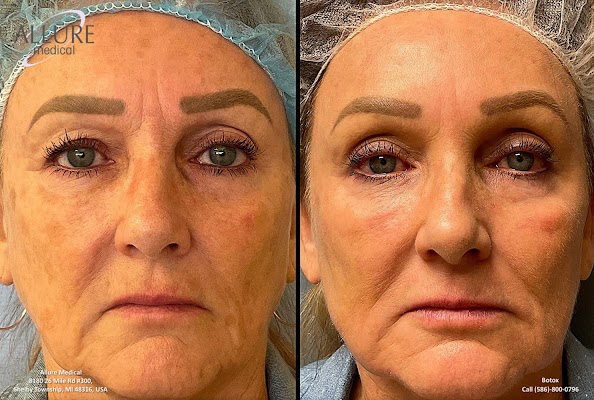
At follow-up, I watch your face in motion again. If a streak remains because the frontalis segment outcompeted our dose, we add one or two units targeted precisely. If a brow sits heavy, we lift with a tiny lateral point. If everything looks balanced, we leave it alone. Small corrections keep you natural and confident. Over time, your map simplifies. We learn your patterns. Less becomes enough.
Stopping, pausing, and moving on without fear
People worry that once they start they cannot stop. Botox without dependency is not just marketing. When you cease treatment, movement returns. Most patients feel it first around week ten, with full return by week sixteen or so. There is no rebound aging. If anything, months of reduced folding slow static line formation. A pause can also help us re-check which habits persist. If your frown returns during a stressful season, we mark that pattern and adapt the next plan. If it does not, you may need less long term.
Botox after discontinuation rarely causes permanent changes except when large muscles like the masseter decondition significantly after years of treatment. Even then, muscles recover. The exact timeline varies with dose, frequency, and your baseline strength. Communication during this period matters. We ease back in if and when you choose.
What ethical botox really looks like
Ethics is not the absence of product. It is the presence of judgment. Ethical practice means no upsell for the sake of revenue. It means restraint where your anatomy demands it. It means telling you when topical care or lasers would better address a static etch than injecting more toxin. It means planning for botox as a long term aesthetic plan that respects your budget and your identity. It means being able to say, this line tells a story worth keeping.
I have turned people away from treatment on visit one. Sometimes the right first step is skincare for texture, eye strain changes for glabella relief, or stress management for habit loops. Botox works best when it is part of a thoughtful sequence, not a reflex.
The bottom line: humans first, then science
The science of neuromodulators is settled enough to be safe and useful. The art is not in the molecule, it is in the map. Automation can suggest an outline, but your face deserves a custom composition. Choose an injector who values transparency, listens closely, and treats restraint as a skill. Plan with them. Check in. Adjust. Keep what makes you you.
The human eye still matters because it sees beyond a line into the reason the line exists. It adapts to dominant sides, habits, jobs, and emotions. It trades immediate smoothness for long-term natural balance. It accepts that better is not always more, and that a face lives in motion, not under a ruler.