The first time a patient tells me they “don’t want to look frozen,” I know we’re starting in the right place. That instinct points to the core of successful injectable cosmetic solutions: clarity about your goals, then disciplined technique to match them. Botox is not a one‑size vial. It is a tool we can tune in microunits, patterns, and timing to soften expression lines, rebalance features, or prevent deep creases from ever settling in.
What Botox actually does, and what it does not
Cosmetic botox injections are purified botulinum toxin type A that temporarily reduce muscle activity by interrupting nerve signaling at the neuromuscular junction. In plain terms, the muscle contracts less, dynamic wrinkles smooth, and skin appears calmer. Results develop over three to seven days, often peaking by two weeks, then gradually fade as the nerve endings regenerate, typically over three to four months. Some areas last longer and some shorter. Forehead lines often return sooner than frown lines, and crow’s feet land in the middle.
It does not fill lost volume, lift heavy tissue, or change skin texture at a cellular level. An injectable wrinkle relaxer targets movement, not sagging or sun damage. If you expect a brow lift when brow heaviness is due to skin laxity, you’ll be disappointed. If your concern is dynamic creasing from expressiveness, an injectable anti wrinkle therapy is designed for that job.
Understanding the distinction guides the plan. For volume loss at the temples or midface, we talk fillers. For etched-in static lines at rest, sometimes we prime with botox to reduce movement, then resurface with laser or microneedling. Precision comes from sequencing, not just dosing.
Matching the map of your face to your goals
No two foreheads carry the same muscle pattern. With hundreds of faces behind me in a clinical botox provider role, I still reassess every new and returning patient. The frontalis can be broad or narrow, dominant in the central band or laterally. The corrugators and procerus define the “11s,” and the orbicularis oculi fans out like a cymbal around each eye. Downward pull at the mouth corners involves the depressor anguli oris and mentalis. The platysma bows the jawline and neck.
Selecting injection points is like orienting to a topographic map. Strategic botox placement depends on where your muscles overpower their antagonists. For a smooth brow without drop, I often pair lighter units in the frontalis with decisive units in the glabella to balance lift and relax. For crow’s feet, I choose a soft botox approach laterally and slightly inferiorly, sparing mid-cheek strength to preserve your smile. If lip lines bother you but you love playing brass instruments or need crisp consonants for work, a conservative botox treatment of the upper lip border can soften lines while protecting function.
First time vs. maintenance: different thinking, different dosing
A first time botox treatment has two goals: confirm your unique response and establish trust that the results look natural. I prefer to underdose on the first visit and schedule a two‑week follow‑up for a potential micro‑tweak. This “start low, refine later” strategy limits surprises and teaches us how your specific muscle mass, metabolism, and lifestyle affect duration.
Maintenance botox injections focus on cadence. Most patients sit comfortably at a 12 to 16 week rhythm. Athletes with high metabolic turnover sometimes need closer to 10 to 12 weeks. Those with lighter muscle bulk may reach 4 to 5 months before dynamic lines reappear. Routine botox injections at consistent intervals can prevent the “yo‑yo” effect of wearing completely off, then chasing lines again.
Preventative botox injections are a distinct category. When a patient in their late twenties notices faint horizontal forehead lines that persist at rest after long days at a screen, low‑dose, high‑precision botox can reduce the repetitive crinkling that engraves those creases. The aim is not a frozen forehead, it is botox line prevention by trimming peak contraction. Often we use fewer units and slightly longer spacing.
The numbers that guide a tailored plan
Units are not one size fits all, but typical ranges help set expectations. Glabellar complex (frown lines) often responds in the 15 to 25 unit range. Crow’s feet commonly take 6 to 12 units per side. Forehead lines can vary widely, from 6 to 20 units depending on brow position and muscle strength. The masseters for jawline softening might require 20 to 40 units per side, split across multiple points, while a subtle lip flip uses 4 to 8 units.
What shifts those numbers? Muscle thickness, sex, prior treatment history, and individual sensitivity. A trained botox specialist watches how your brow lifts, how your eyes crinkle when you laugh, and how your chin pebbles when you think. Those micro‑habits steer placement and dose more than a formula on paper.
Natural looking results: technique over template
When patients ask about natural looking botox, they usually mean they want smoother skin without losing the spark of their expressions. That result comes from small choices layered together: depth of injection, angle of the needle, spacing of points, and respect for each muscle’s job in facial harmony.
I favor refined botox injections with slightly lower doses delivered to more sites rather than a few heavy shots. This distributes effect and avoids “hot spots” of over‑relaxation. In the forehead, I keep a buffer of untreated frontalis above the brows in patients at risk of heaviness. For the crow’s feet, I bias the pattern a touch inferior in people whose eyes pull tight when they laugh, preserving a soft crinkle while easing the radiating lines. Balanced botox results are not luck, they are the product of careful mapping and restraint.
Where subtlety pays off, and where decisiveness matters
Subtle botox results make sense around features that move in social connection: eyes, brows, lips. A soft touch around the mouth avoids speech changes and keeps animation lively. Equally, there are zones where confident dosing brings better outcomes. Deep furrows from strong corrugators need full correction across the complex, not a sprinkle that leaves asymmetric pull. The mentalis, when hyperactive, benefits from stopping the dimpled “peau d’orange” effect as a single unit, not half‑measures.
It is common to blend softening and decisive approaches in the same session. For example, precise, custom botox injections to the glabella might be paired with a conservative botox treatment in the forehead and a few well‑placed units along the lateral orbicularis. That synergy yields a rested look without the tell.
The appointment that sets the tone
A quality botox injection appointment begins with a frank conversation about what you notice in the mirror and how you use your face at work and at home. I watch you talk and laugh, then mark injection sites only after I’ve seen full animation. A botox injection consultation should cover medical history, medications that increase bleeding risk, migraines or bruxism, and prior experience with injectables. Photos in neutral lighting document baseline.
During the injectable botox treatment, expect a fine needle, quick stings, and small bumps that settle in minutes. Makeup should be avoided for several hours, heavy sweat and pressing on injection areas for the rest of the day. Bruising risk is low but real. Arnica can help, but the bigger factor is the injector’s technique and your vascular pattern.
If your schedule is tight, plan around a small chance of pinpoint bruises for 3 to 7 days. For events, I recommend building in a two‑week cushion for full effect and adjustments if needed. That buffer reduces stress and supports the goal of calm, confident results.
Choosing the right injector: credentials and craft
There is a visible difference between a technician who follows a template and a licensed botox professional who adapts per face. Look for a botox injection provider who can explain anatomy in simple terms and show you where and why they intend to inject. Ask about their experience with your concerns, whether that is botox shots for frown lines that shadow in photos, or targeted botox injections for asymmetric brows after a past injury.
A trusted botox injector should welcome a conservative plan for a first session and schedule a follow‑up. A certified botox injector understands dilution, storage, and on‑label versus off‑label use, and can discuss risks like eyelid ptosis in candid language. An experienced botox provider documents lot numbers and units used. A physician guided botox practice ensures oversight and medical management if rare complications arise.
If you are deciding between a botox injection clinic, a botox injection center inside a dermatology practice, or a boutique botox injection office, the setting matters less than the injector’s skill, sterile technique, and approach to follow‑up. The best botox injection services feel consistent: clean rooms, clear consent, realistic timelines, and tailored dosing.
Forehead, frown, and crow’s feet: practical patterns that work
For botox shots for forehead lines, I start by measuring the distance from the brow to the hairline and tracking where your frontalis truly activates. Tall foreheads often benefit from two horizontal rows of light units, while shorter foreheads may need only one row higher up to protect brow lift. If your job demands strong eyebrow movement, we bias lighter and accept a touch of motion over absolute stillness.
Botox shots for frown lines tend to reward full coverage of the corrugators and procerus. Under‑treat one side and the brow pulls unevenly. When done well, the central “11s” soften, the brow rests without scowl, and headaches related to habitual frowning often ease.
Botox shots for crow’s feet deserve nuance. Some patients only need lateral fanning points, while others benefit from a small tail point that softens the line that cuts into the upper cheek. Over‑treating here can widen the smile too much and flatten warmth. I ask patients to show a full laugh before marking, then aim for botox expression softening, not erasing.
Beyond the basics: chin, jawline, neck, and mouth corners
The chin is a small area with outsized impact. A hyperactive mentalis creates pebbled texture and an upturned chin pad that shortens the lower face. A few refined units reduce the dimpled look and lengthen the face slightly, which many find elegant.
Masseter treatment changes the jaw contour over months with maintenance botox injections. It can help with bruxism, but the cosmetic benefit is a slimmer lower face, especially from three months onward as the muscle thins from disuse. Dosing is higher and split, with careful placement to avoid affecting the smile muscles.
For neck bands, light threading along dynamic platysmal strips can smooth vertical cords and improve jawline definition modestly. Here, injectable facial smoothing has limits. Significant laxity still calls for skin tightening or surgery. Honest guidance protects your outcome and wallet.
Corners of the mouth that turn down from DAO overactivity can soften with a couple of small points. Done well, the resting expression lifts from “tired” Shelby Township botox injections to neutral. Overshooting can distort smiles, which is why restraint is mandatory.
How to build a plan that lasts
Durability is less about “long lasting botox injections” in a single session and more about consistent, right‑sized care. Patients who track their results learn their personal cycle. Mark the date effects peak and the first week you notice return of movement. Share that timeline at follow‑up. We often find that a touch more in the corrugators or a touch less near the tail of the brow creates a longer sweet spot without looking treated.
Lifestyle matters too. Intensive cardio, sauna use, and very high stress states can shorten duration for some people. Sleep, hydration, and gentle skincare support smoother canvas but don’t change the pharmacology. Skincare is still worth it. Retinoids, vitamin C, and daily sunscreen help convert botox facial smoothing into fresher skin by improving tone and texture at the surface.
Risk, side effects, and how to avoid unwanted outcomes
Temporary redness, small bumps, and mild headache are common. Bruising happens in a minority of sessions. The rarer events are eyelid or brow ptosis from diffusion into the levator or frontalis segments, asymmetric smiles from zygomatic or levator labii involvement, or dry eyes if the lower orbicularis is over‑relaxed. These risks drop with a trained botox specialist who respects danger zones, uses appropriate dilution, and presses gently to limit spread.
If you do experience an undesired effect, time is your ally. As the product wears off, function returns. Simple measures like eyedrops for dryness or strategic touch‑ups in antagonist muscles can help balance. Your injector should be reachable and proactive about managing these moments.
The power of small changes: a brief case sketch
A 42‑year‑old product manager came in with two clear goals: soften a constant “thinking scowl” and look less tired on video calls. She worried about looking flat because her work involves presenting with energy. On exam, her corrugators were strong, her frontalis was narrow and active centrally, and her crow’s feet were more etched on the left due to a habit of squinting outdoors.
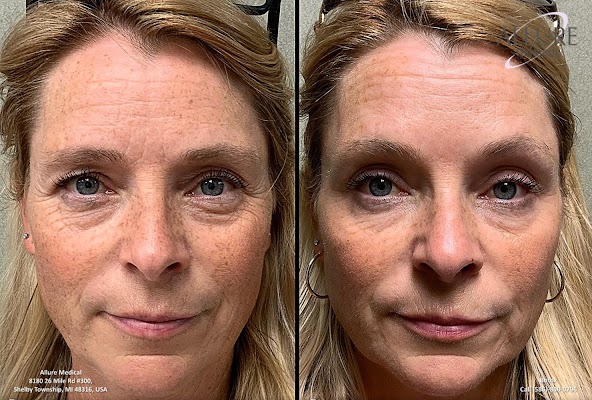
We used 20 units across the glabella, 8 units to the forehead in high, small points, and 7 units per side to the lateral orbicularis with a slightly lower point on the left. At two weeks, the “11s” were gone, the brow shape held, and the eyes crinkled softly. She noted fewer tension headaches, a bonus not promised but sometimes seen. We logged the exact map and units. At her next botox injection appointment 14 weeks later, we repeated the plan and added 2 units to the mentalis to quiet subtle pebbling she noticed on camera. Small refinements, steady cadence, tailored results.
Pricing transparency, units, and value
Costs vary by region and injector expertise. Some practices charge per unit, others by area. Per‑unit pricing rewards precision since you pay for exactly what you receive. Area pricing offers predictability but can overcharge light users or undercompensate complex cases. In my botox injection practice, I prefer unit pricing with clear estimates before we begin.
If you are comparison shopping among a botox injection clinic, a private botox injection office, and a medspa inside a larger botox injection center, ask how they handle touch‑ups and what happens if you need a minor adjustment. A policy that includes a small refinement at two weeks for first time patients signals confidence and patient focus.
When to combine with other treatments
Injectable facial treatment plans often work best in combination. Botox wrinkle reduction pairs naturally with light‑to‑medium energy resurfacing for etched lines. If volume loss deepens folds, filler adds structure that botox alone cannot. For texture and pigment, skincare and devices carry the weight. I often stage these: botox first to quiet movement, then resurfacing at two to four weeks when the face is calmer, and filler where needed after the soft tissues have relaxed.
Patients sometimes ask about medical botox injections for migraines or bruxism and whether that overlaps with cosmetic zones. It can. If you receive therapeutic treatment for headaches, share your pattern and timing with your aesthetic botox expert so the plans complement each other rather than stack in one area.
Your role between visits
Your face tells me the plan, and your habits help it last. Avoid rubbing treated areas for the first few hours. Skip saunas the first day. Resume workouts the next day if you wish. Watch how your expressions feel as the injectable anti wrinkle therapy sets. If a brow feels heavy or a smile seems off, note which side and when you notice it. Bring those observations to your follow‑up. They are data that guide refined dosing and targeted botox injections next time.
Skincare does not replace injectables, but it multiplies the benefits. Sun protection slows new damage. A retinoid smooths texture, which enhances botox skin refinement. Gentle exfoliation reduces dullness so the smoother surface shows.
Red flags to avoid
Not every offer is worth your face. Be cautious about deep discounts tied to high minimum unit purchases or injectors who refuse to share the number of units placed. Question a one‑size “forehead special” that ignores your brow position. Be wary of anyone who dismisses your concern about natural looking botox with “You won’t even notice it.” You should notice, in the mirror and in how your face moves, just not as a stranger’s face.
A botox injection expert invites your participation and sets realistic expectations. They use targeted, precision botox injections rather than blanket patterns. They keep notes on your response and build from there. That partnership is the path to balanced botox results.
A simple path to tailored care
- Begin with a thoughtful botox injection consultation focused on your specific expressions, photos, and goals. Start with conservative, custom botox injections, then reassess at two weeks for fine‑tuning. Set a routine cadence for maintenance botox injections based on your personal duration curve. Combine with skincare and, when appropriate, complementary treatments to address texture and volume. Keep open communication with a trusted botox injector who documents, adjusts, and respects your preferences.
Bringing it all together for smooth, believable results
When injectable cosmetic solutions work, friends say you look rested, not “done.” Your brow unfurrows on its own. The outer eye lines soften without erasing the joy in your smile. Forehead sheen reads as healthy, not shiny from over‑relaxation. That outcome is not an accident, and it does not require high doses across the board. It requires matching your muscle map to your goals, precise placement guided by anatomy, and a cadence that fits your life.
If you are choosing a botox injection provider for the first time, visit a clinical setting where an aesthetic botox expert examines your expression in motion. Ask for a plan that explains injectable facial smoothing in your language. Expect a soft botox approach in expressive zones, decisive dosing where muscles dominate, and measured adjustments based on how you respond. Over time, the process becomes simple. You check in, we read your face, we refine. Your reflection stays familiar, just smoother around the edges and calmer where stress used to stamp its mark.
Whether your aim is botox shots for fine lines before a milestone event, injectable skin rejuvenation for a youthful appearance across seasons, or preventative steps that slow the deepening of facial lines, the craft is the same. Clarity first, then careful work. Done well, professional botox treatment is quiet and effective. It respects how you move through the world and meets you there, one measured unit at a time.